
Updated November 21, 2026. AI technology is the combination of data, computer chips, software models and apps that lets machines do tasks that normally need human intelligence, like understanding language, recognizing images and making predictions. Think of it as a stack: data goes in, powerful chips train a model on it, the model runs in the cloud or on your device, and an app puts it in front of you. This guide walks through each layer in plain English, so you can understand what's really behind tools like ChatGPT, Gemini and Copilot.
If you want the big-picture definition first, read What is AI?
What is AI technology in simple terms?
The chipmaker Arm defines AI technology as the combination of software systems and computing hardware that lets machines perform tasks that would typically need human intelligence. In other words, AI isn't one invention. It's several technologies working together:
Data: the examples AI learns from.
Algorithms: the learning methods, such as machine learning and deep learning.
Models: the trained "brains" that make predictions or create content.
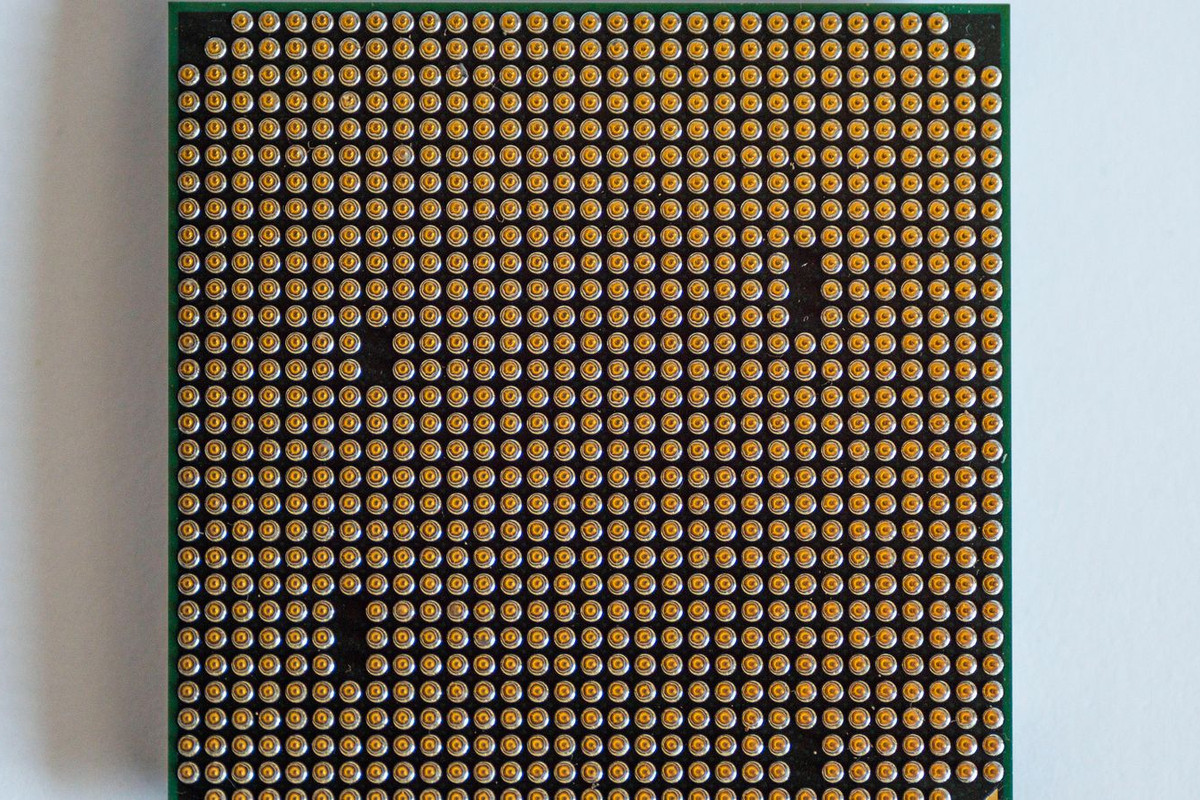
Hardware: the chips that do the enormous amount of math involved.
Cloud and devices: where AI actually runs.
Apps and interfaces: the chatbot, camera feature or search box you actually use.
The AI technology stack, layer by layer
Layer 1: Data
AI learns from examples: text from websites and books, images, audio recordings, sensor readings or business records. The quality of the data matters enormously. Biased, outdated or messy data leads to biased, outdated or messy AI.
Layer 2: Algorithms and learning methods
Machine learning: systems learn patterns from data rather than following only hand-written rules.
Deep learning: machine learning with large, many-layered neural networks, behind modern speech, image and language AI.
Transformers: the neural network design, introduced by Google researchers in 2017, that powers today's large language models.
Diffusion models: the method behind most AI image generators, which learn to turn random noise into a picture step by step.
Layer 3: Models
A model is what you get after training: a file containing billions of learned settings called parameters. Well-known families include OpenAI's GPT models, Google's Gemini, Anthropic's Claude and Meta's Llama. Some are "open-weight," meaning anyone can download and run them; others are only available through the company's apps and services.
Layer 4: Hardware (chips)
Training and running AI needs huge amounts of math done in parallel. That's why AI depends on:
GPUs (graphics processing units): originally built for video games, now the workhorse of AI training. Nvidia is the best-known maker.
Specialized AI chips: such as Google's TPUs and custom chips from Amazon, Microsoft and others.
NPUs (neural processing units): small, power-efficient AI chips in newer phones and laptops. See what is AI in computers.
Layer 5: Cloud and data centers
The biggest models run in huge data centers owned by companies like Microsoft, Google, Amazon and Meta. When you type into ChatGPT or Gemini, your request usually travels to one of these data centers and the answer comes back in seconds. These centers use a lot of electricity and water for cooling, which is one of the main environmental debates around AI.
Layer 6: Apps and interfaces
This is the part you see: chat windows, voice assistants, "magic eraser" photo tools, AI features in Word or Google Docs, and AI answers in search. Many apps also connect a model to tools like web search, your files or a calendar, which turns a chatbot into an AI agent that can take actions.

The six layers in one table:
Layer | What it is | Example |
Data | The examples AI learns from | Text, images, recordings |
Algorithms | The learning methods | Deep learning, transformers |
Models | The trained system | GPT, Gemini, Claude, Llama |
Hardware | Chips that do the math | GPUs, TPUs, NPUs |
Cloud and devices | Where AI runs | Data centers, phones, laptops |
Apps | What you actually use | Chatbots, photo tools, search |
What are the main types of AI technology?
Natural language processing (NLP): understanding and generating human language, used in chatbots, translation and spam filters.
Computer vision: understanding images and video, used in face unlock, medical scans and self-driving features.
Speech recognition and synthesis: turning speech into text and text into natural-sounding voices.
Generative AI: creating new text, images, audio, video and code.
Predictive analytics: forecasting outcomes like demand, fraud or equipment failure.
Robotics: combining AI with machines that move, from warehouse robots to robot vacuums.
Recommendation systems: choosing what to show you on streaming, shopping and social apps.
For real-world examples of each, see examples of AI.
How does AI technology work from start to finish?
Collect data: gather and clean large amounts of examples.
Train: run the learning algorithm on powerful chips, often for weeks, adjusting billions of parameters.
Refine: fine-tune the model, often with human feedback, so it follows instructions and avoids harmful outputs.
Test: check for accuracy, bias and safety problems.
Deploy: put the model in the cloud or on devices so apps can use it. Intel describes this final step as inference: using the trained model to make predictions or decisions on new data.
Monitor and update: watch for mistakes, misuse and drift as the world changes.
Is AI technology the same as automation?
Not quite. Automation follows fixed rules ("every Friday, send this report"). AI learns from data and can handle situations nobody wrote a rule for. Many modern systems combine the two: AI makes a judgment, and automation carries out the steps.
What are the limits and costs of AI technology?
Errors: language models can produce confident but wrong answers.
Bias: models can repeat unfair patterns found in their training data.
Energy and water: large data centers have a real environmental footprint.
Cost: training frontier models costs enormous sums, which concentrates power in a few large companies.
Privacy and copyright: what data models are trained on, and what happens to what you type, are still hotly debated, including in US and UK courts.
Frequently asked questions
What is AI technology in simple words?
It's the mix of data, chips, software models and apps that lets computers learn from examples and do tasks like understanding language, recognizing pictures and making predictions.
What are examples of AI technology?
Chatbots like ChatGPT and Gemini, voice assistants like Siri and Alexa, face unlock, Google Maps traffic predictions, Netflix recommendations, bank fraud alerts and AI image generators.
What hardware does AI use?
Large AI models are trained and run mostly on GPUs and specialized AI chips in data centers. Newer phones and laptops also include NPUs to run smaller AI features on the device itself.
Is ChatGPT AI technology?
Yes. ChatGPT is an app built on large language models, a type of generative AI technology made by OpenAI.
Do I need special technology to use AI?
No. Most AI tools work in a web browser or phone app. Newer devices can run some AI features offline, but you don't need one to get started.
3 tips before you go
When you read about a new AI product, identify which layer it improves: data, model, chips or app. It cuts through the hype quickly.
If you're choosing a device for AI features, check whether they run on the device or in the cloud, which affects privacy and offline use.
Prefer apps that tell you which model they use and how your data is handled; vague answers are a warning sign.
Related reading
Sources
How we write: see how we test and our editorial policy.
AICYBO is an independent site. We aren't affiliated with OpenAI, Google, Microsoft, Anthropic, Meta, Nvidia, Arm, Intel or any other company mentioned.